Pothos Plant Care: Watering, Light, and Common Problems
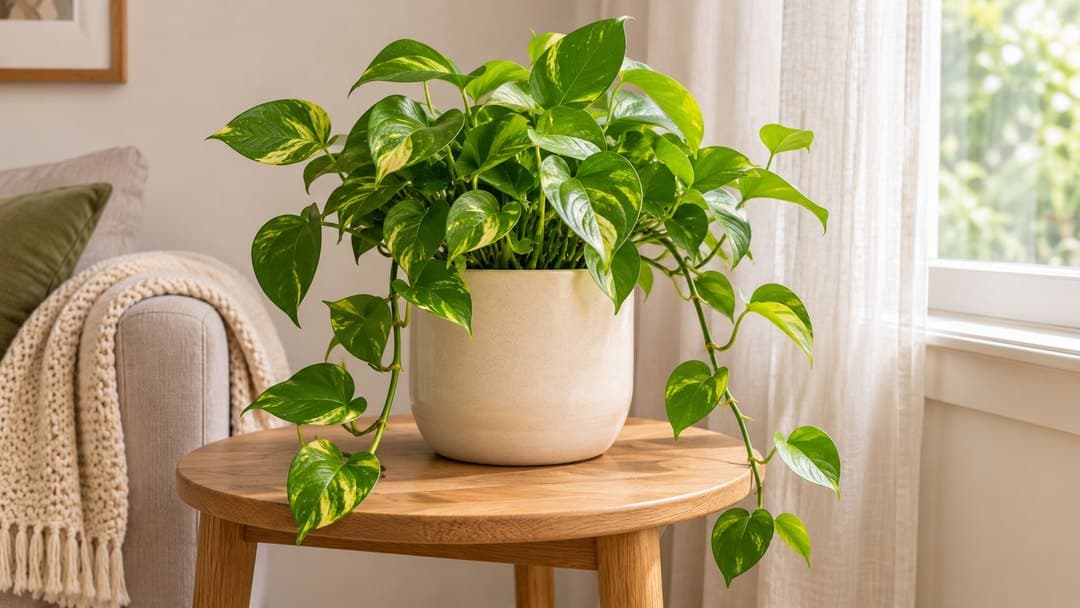
Pothos plant care starts with a few practical habits: provide suitable light, let the potting mix dry between waterings, and make sure excess water can drain away.
This trailing or climbing houseplant is a popular choice for beginners. It tolerates a range of indoor conditions, but it still needs attention to its environment.
This guide focuses on Epipremnum aureum, including golden pothos. Here’s how to choose its spot, decide when to water, and keep track of changes.
Pothos care at a glance
| Care factor | What to know |
|---|---|
| Botanical name | Epipremnum aureum |
| Common names | Pothos, golden pothos, devil’s ivy |
| Light | Bright, indirect light; tolerates lower light |
| Water | Allow the potting mix to dry between waterings; check before adding water |
| Potting mix | Airy and well-draining |
| Container | A pot with drainage holes |
| Growth habit | Trailing or climbing with support |
| Pet safety | Toxic to cats and dogs if ingested |
Pothos has glossy leaves that may be green or variegated with yellow, cream, or white. Those natural markings shouldn’t be confused with a new color change. NC State Extension describes the species and its identifying features.
Pothos light requirements: choose the right spot
Bright, indirect light is a good starting point. Look for a location that receives plenty of daylight without prolonged exposure to harsh direct sun.
A nearby window may work, but the right position depends on its direction, outdoor shade, curtains, and the season. There isn’t one distance from a window that suits every home.
Pothos can tolerate lower light. That doesn’t mean a dark corner will support the same growth as a brighter location. Variegated plants may also lose some of their coloring when light is insufficient. NC State Extension explains these light preferences.
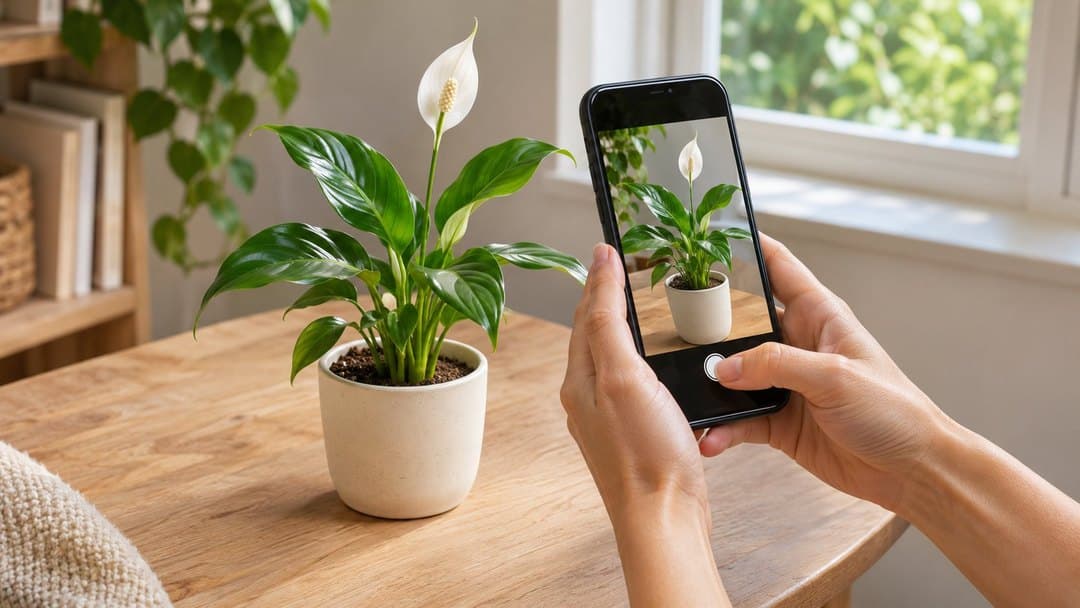
After choosing a spot, take a photo. It gives you a reference for leaf color and growth as you learn how the plant responds.
How often should you water pothos?
Water when the potting mix has dried sufficiently, rather than automatically watering on the same day each week.
Your plant’s needs will vary with its container, potting mix, light, temperature, and growth. A schedule that works in one home may keep another plant too wet.
Use this sequence to make the decision.
1. Check below the surface
Gently feel the potting mix below the top layer. Note whether it is still moist or has become dry.
Don’t judge by the surface alone, especially in a larger pot. If you’re unsure about conditions deeper down, check again before adding water.
2. Check the container
Look for water sitting in the saucer or decorative outer pot. Make sure the growing pot has drainage holes.
A pot with holes won’t drain effectively if its base remains submerged in collected water.
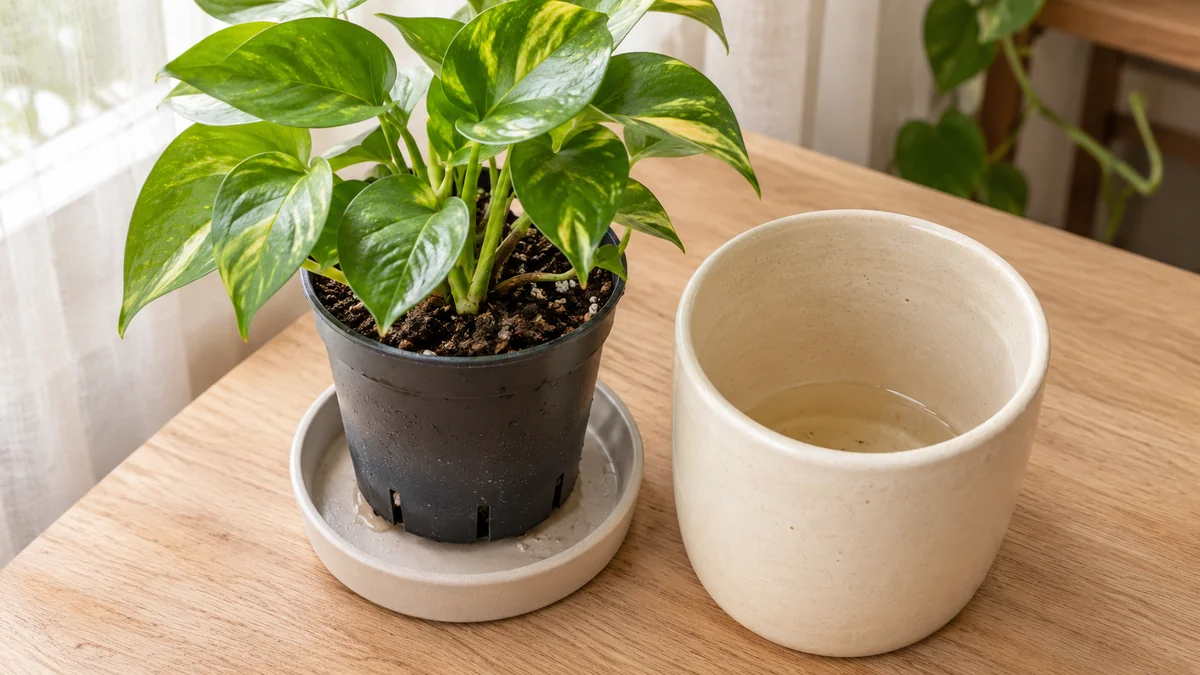
Check the drainage holes and empty any water collected in the saucer or decorative outer pot.
3. Water when needed, then let it drain
When it’s time, water the potting mix thoroughly and allow excess water to escape. Empty the runoff rather than leaving the plant standing in it.
South Dakota State University Extension recommends letting the soil dry between waterings and warns against continuously damp conditions. See its pothos care guidance.
4. Record the watering and check again later
A useful note includes the date, how the mix felt, and whether you watered.
You can check your plant regularly without watering every time. That distinction helps you build a routine around observation.
The best soil and pot for pothos
Choose an airy, well-draining potting mix and a container that allows water to leave the bottom.
If you use a decorative outer pot, keep the plant in a separate growing pot with drainage holes. You can remove it for watering, let it drain, and return it afterward.
There’s no need to assume that every new pothos needs an immediate repot. Consider whether the roots have become crowded and whether the plant has outgrown its container.
Clemson Extension recommends repotting based on root development and growth, including plants that have become root-bound.
If repotting is needed, choose a suitable container and fresh mix. Don’t use a much larger pot simply to avoid repotting again for longer.
Temperature, humidity, and seasonal changes
A warm indoor environment generally suits pothos. The New York Botanical Garden gives 65–80°F as an ideal household range and advises avoiding chilly windows and blasts from heating vents.
Check the plant’s immediate surroundings. A room that feels comfortable may still have a cold windowsill or a hot airflow directly beside the pot.
Average household humidity can be adequate. If conditions seem unsuitable, assess the room before adding extra tasks to your care routine.
A fall and winter check
As daylight and indoor heating change, revisit your plant’s location and watering needs.
Check whether the potting mix takes longer to dry and whether the plant is growing more slowly. The New York Botanical Garden notes that watering needs change with light and season. Continue checking moisture rather than keeping the same watering frequency throughout the year.
Fertilizing, pruning, and supporting growth
Fertilize according to growth and product directions
Review your pothos’s growth and feeding history before adding fertilizer. Follow the directions for the product you use, including its dilution and frequency.
A yellow leaf isn’t, by itself, a reason to fertilize. Check watering, light, and other conditions first.
Wisconsin Horticulture recommends feeding during growth and withholding fertilizer when the plant isn’t actively growing in winter. Its guide covers pothos care and common problems.
Choose trailing or climbing growth
You can let the vines trail from a container or guide them onto a suitable support.
Pruning can help manage vine length and encourage a more compact shape. Use clean tools and decide which stems to shorten before cutting. Wisconsin Horticulture describes selective pruning as a way to manage growth.
A brief note on propagation
Pothos can be propagated from stem cuttings. A cutting needs at least one node—the point where a leaf or root can develop—to root properly.
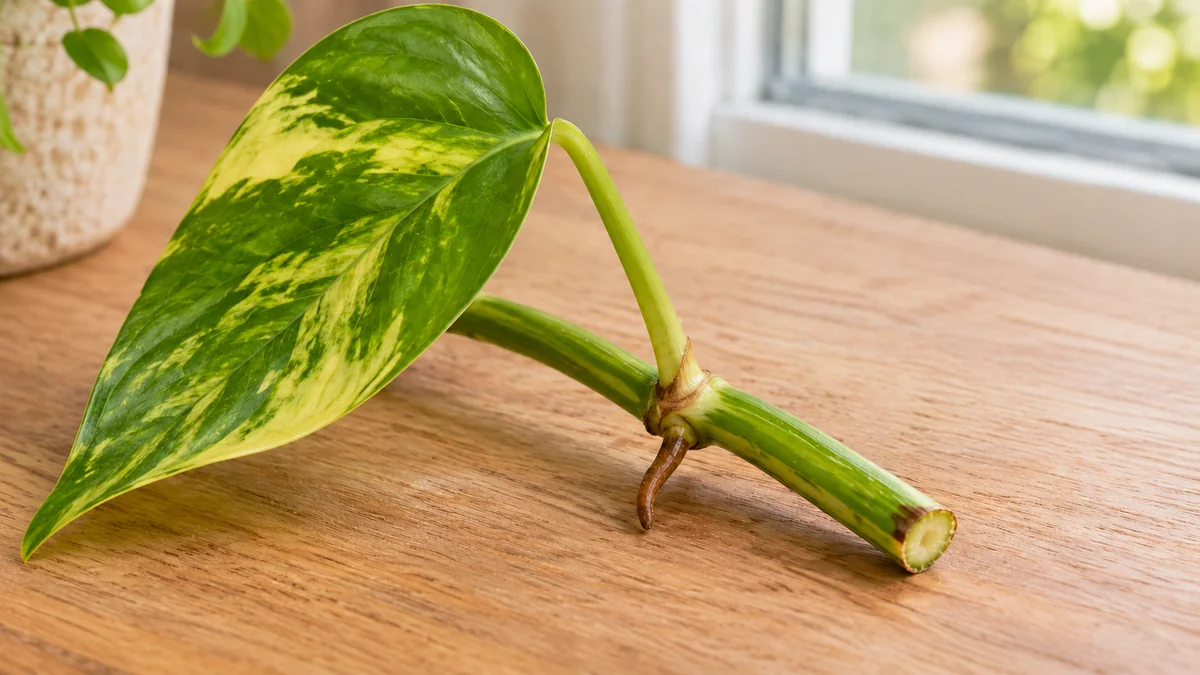
Include a stem node in your cutting. The short brown aerial root is visible beside the leaf’s attachment point.
Clemson Extension explains that suitable cuttings can root in water or potting mix. Propagation deserves its own step-by-step guide, so don’t assume a detached leaf alone is enough.
Common pothos problems: what to check first
One symptom may have several possible causes. Use the table to choose a check, rather than treating it as a diagnosis.
| What you notice | Possible factors to investigate | First check |
|---|---|---|
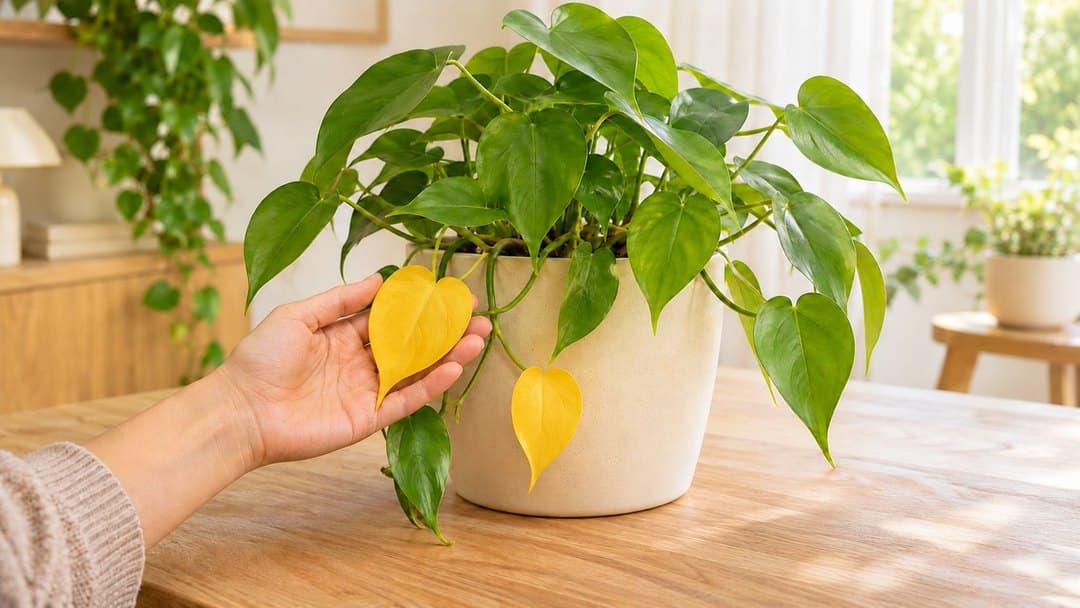
| Yellow leaves | Watering, root conditions, or natural aging | Which leaves are affected and how moist the mix is |
| Brown tips or margins | Watering problems or fertilizer salt buildup | Moisture and feeding history |
| Reduced variegation | Insufficient light | Current exposure and recent changes |
| Long vines with few leaves | Leaf loss and growth habit | Where the gaps are and whether leaves are still dropping |
| Cottony patches or raised bumps | Possible mealybugs or scale | Leaf undersides, stems, and leaf joints |
Wisconsin Horticulture describes these common pothos problems and pests.
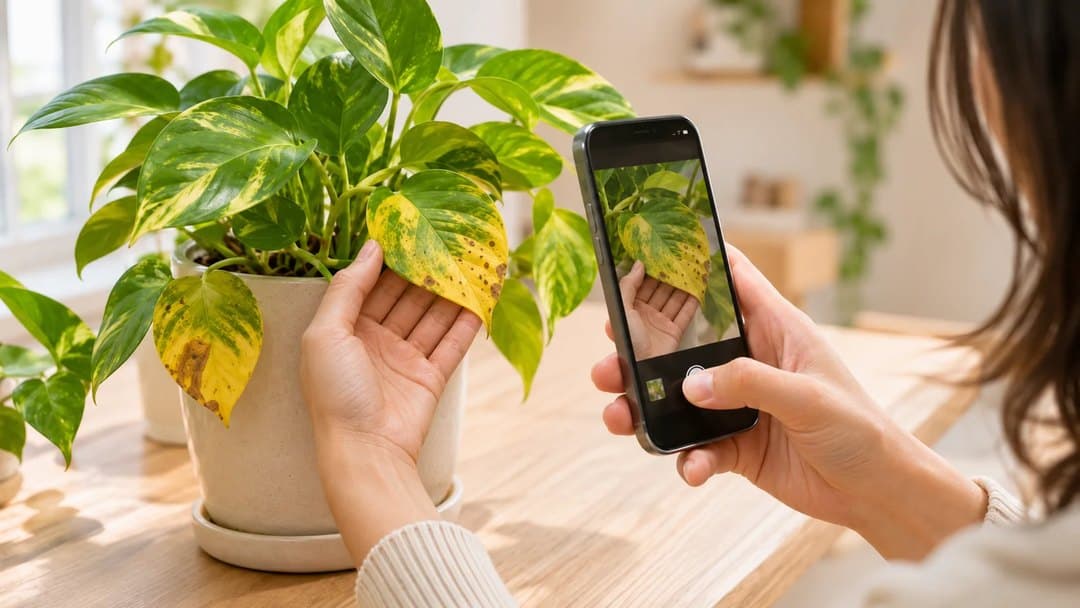
Photograph the plant before making changes. Record which leaves or stems are affected and avoid changing watering, fertilizer, and location all at once.
For a more detailed observation checklist, see “Why Are My Plant Leaves Turning Yellow? What to Check First.”
Is pothos toxic to cats and dogs?
Yes. The ASPCA lists Epipremnum aureum as toxic to cats and dogs. It contains insoluble calcium oxalates, which can cause oral irritation, drooling, vomiting, and difficulty swallowing.
Consider access before choosing a location. A high shelf doesn’t guarantee that a cat can’t reach the plant, and trailing vines may become accessible as they grow.
Keep fallen leaves and cuttings away from pets, too. If you suspect your pet has chewed or swallowed pothos, contact your veterinarian promptly.
Keep your pothos care together with Hortola
Once you’ve chosen a location, save your pothos in Hortola so you have somewhere to return to its information and care.
Start with a photo and a few useful observations: where it sits, how the potting mix feels, and whether anything looks different.
For example, an illustrative journal entry might read:
“Near the living room window, with no direct afternoon sun. Potting mix still moist today. No watering. Took a reference photo.”
Later, record when you water, prune, or move the plant. Add photos from a similar angle and in comparable light to make changes easier to see.
If something concerns you, explore the health assessment and ask the Gardener follow-up questions with context about the plant’s conditions. Treat the assessment as guidance about possible causes, alongside your own observations.
The goal is a useful history—not a reason to perform a care task every time you open the app.
Frequently asked questions
Can pothos grow in low light?
It can tolerate lower light, but survival and vigorous growth aren’t the same. A poorly lit location may lead to declining health or reduced variegation.
The New York Botanical Garden recommends bright, filtered light while recognizing some shade tolerance.
How do I make my pothos fuller?
Review its light and overall health, then consider selective pruning to manage sparse vines. Rooted cuttings can also be planted together to create a fuller container.
Don’t use extra fertilizer as a shortcut without checking the growing conditions first.
Is pothos the same as philodendron?
No. Pothos and heartleaf philodendron are different plants, even though their trailing stems and leaf shapes can look similar.
NC State Extension identifies structural differences between Epipremnum aureum and Philodendron hederaceum. If the identity is uncertain, compare several features instead of relying on one leaf.
Build a routine around your plant
Choose a suitable spot, check moisture before watering, and make sure excess water can drain. Then observe how your pothos responds.
You don’t need to adjust something at every check. Sometimes the useful next step is simply to record what you see and come back later.
Save your pothos in Hortola, record its care, and add photos to follow its growth.